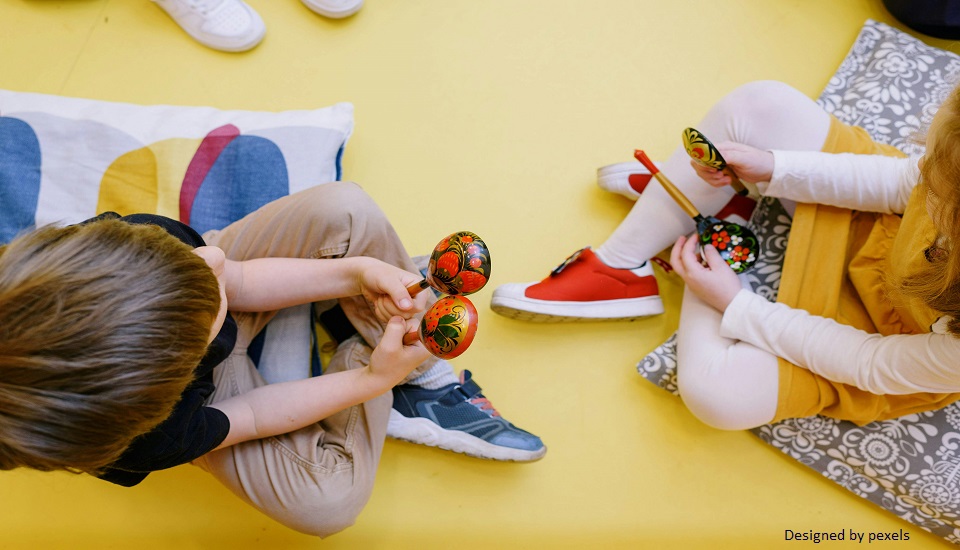
Music plays a powerful role in early literacy development—strengthening phonemic awareness, rhythm recognition, memory, and expressive language. Yet, many schools lack instruments, trained music educators, or dedicated music spaces. Fortunately, boosting literacy through music does not require expensive equipment. With simple strategies, everyday items, and teacher creativity, schools can make music a regular part of learning.
Educators equipped with foundational training through a pre-primary teacher training course in Bangalore, often learn how to integrate music-based learning even in low-resource environments.
Let’s explore how schools can maximize music’s literacy benefits—without needing a full music setup.
Why Music Supports Literacy Development
Music builds essential literacy-related abilities, such as:
- Phonemic awareness – recognizing sounds, syllables, and rhymes
- Auditory discrimination – distinguishing letter sounds and speech patterns
- Vocabulary development – learning new words through songs
- Memory and sequencing – recalling lyrics and patterns
- Reading fluency – developing rhythm and pacing in speech
Even with minimal resources, these skills can be nurtured through thoughtful classroom practices.
5 Practical Ways Schools With Limited Resources Can Use Music to Boost Literacy
Even without instruments or formal music programs, teachers can still use simple, creative strategies to make music a powerful tool for literacy development. These practical, low-cost ideas help build phonics, fluency, and vocabulary through rhythm and sound-based activities.
1. Use Body Percussion Instead of Instruments
Body percussion, such as clapping, tapping thighs, stomping feet, finger snapping, chest tapping, or clicking tongues, can replace costly percussion instruments while still engaging learners musically.
How it boosts literacy:
- Teachers can assign different beats to syllables, helping children understand how words break into sound units. For example, the word banana can be clapped as: ba (clap), na (clap), na (clap).
- Body rhythms help students grasp phonemic patterns, which strengthen decoding and early reading skills.
- Repetitive rhythmic movements help learners remember sound–symbol relationships (like sh, ch, th).
Classroom example:
Use clapping patterns to reinforce phonics, such as clapping once for short vowels and twice for long vowels.
2. Sing Story-Based Songs and Use Vocal Techniques as Instruments
Even without a music teacher or instruments, teachers can use voice varisation, such as whispering, echoing, call-and-response, humming, chanting, or hand-motion songs.
How it boosts literacy:
- Story songs help children understand plot, sequence, characters, and prediction, all vital for reading comprehension.
- Rhymes and chants improve auditory memory, making it easier for children to recall vocabulary and sentence structures.
- Using different tones or pitches trains listening skills needed for sound discrimination, which is essential in early reading.
Classroom example:
Read a short story, then turn the main parts into a chant or melody. Have students respond in rhythm, reinforcing comprehension and vocabulary.
3. Create DIY “Instruments” With Recycled Materials
Schools can create simple classroom instruments using no-cost or low-cost materials such as plastic bottles, cardboard tubes, tin cans, elastic bands, rice, beans, or old boxes.
DIY instruments include:
- Shakers (bottles filled with rice)
- Drums (old tins or plastic containers)
- Tapping sticks (pencils or wooden spoons)
- String-like instruments (rubber bands on a box)
How it boosts literacy:
- These instruments help children follow rhythm patterns, which develops reading fluency and pacing.
- Hands-on activities increase engagement, especially for kinesthetic learners.
- Children can practice matching beats with syllables, sounds, or rhyming words, improving phonological awareness.
Classroom example:
Have children shake their DIY shakers once for each syllable of new vocabulary words.
4. Integrate Music Into Daily Literacy Routines
Music doesn’t need a special time slot, it can be woven into everyday classroom activities to reinforce literacy naturally.
How it boosts literacy:
- Morning routines can begin with phonics songs to activate listening skills.
- Transitions can use simple rhymes, helping students remember instructions while strengthening verbal skills.
- Vocabulary songs help introduce new words with rhythm, making them easier to recall.
- Rhythmic reading, adding beats to sentences, will improve pacing, expression, and fluency.
Classroom example:
During story time, add a simple drum beat (even tapping on the table) every time students hear a rhyming word. It trains listening for patterns in text.
5. Use Free Digital and Audio Resources for Music-Based Literacy
Even without instruments or a music teacher, schools can use a range of free online songs, audio stories, kids’ karaoke tracks, phonics songs, and rhythm apps.
How it boosts literacy:
- Audio-rich resources expose learners to diverse accents, intonations, and natural speech rhythm, which strengthens listening and comprehension.
- Digital music tracks help reinforce alphabet songs, rhyming patterns, phonemic awareness, and storytelling.
- Students can practice echoing, repeating, or singing along, which enhances pronunciation, vocabulary, and memory retention.
Classroom example:
Play a short rhyme-based audio story and have children identify rhyming pairs at the end, making literacy interactive without needing physical instruments.
Additional Tips for Teachers
- Prioritize rhythm over melody
Students benefit most from rhythm when learning phonics and syllables.
- Encourage student-created songs
Allow children to develop their own rhymes or alter known songs. This strengthens creativity, vocabulary, and comprehension.
- Connect music lessons with literacy goals
For example:
- Use clapping for syllable counting
- Sing alphabet or phonics songs
- Add rhythm to reading passages
Keep activities short but frequent
Regular 5-minute rhythms are more effective than rare, long music sessions.
Final Thoughts
Music is one of the most accessible and powerful tools for early literacy, no full music room required. With creativity, recycled materials, and simple vocal techniques, teachers can make music a regular part of learning even in low-resource schools.
Educators who complete a pre-primary teacher training course in Bangalore, learn to apply these techniques effectively, ensuring that every child, regardless of school resources, benefits from music’s impact on language development.
When music meets literacy, learning becomes joyful, memorable, and inclusive.
Frequently Asked Questions (FAQs)
1. Can music improve literacy even without instruments?
Yes. Rhythm, chanting, singing, and body percussion are powerful tools for building phonemic awareness, vocabulary, and fluency without needing any instruments.
2. How does music support early literacy development?
Music strengthens listening skills, sound discrimination, syllable awareness, memory, and language rhythm, all essential foundations for reading and writing.
3. What can teachers do if their school has no music teacher?
Simple musical activities like clapping rhythms, singing rhymes, or using free online audio resources can be led by any classroom teacher with basic guidance.
4. Are DIY musical instruments effective for literacy?
Absolutely. Homemade shakers, tapping sticks, and recycled rhythm tools engage children physically and auditory, making phonics and vocabulary practice more interactive.
5. How often should music-based activities be used?
Short, consistent activities, even 5 minutes a day, are more effective than occasional long sessions. Rhythm and repetition build strong literacy habits over time.
6. Can teachers learn music-integration strategies through training?
Yes. Programs like a pre-primary teacher training course in Bangalore, teach educators how to integrate music-based learning in low-resource classrooms.
7. Is music helpful for children with learning difficulties?
Yes. Music supports attention, memory, language rhythm, and speech clarity, making it especially beneficial for children with dyslexia, ADHD, speech delays, or developmental delays.
Written By : Abhishek